

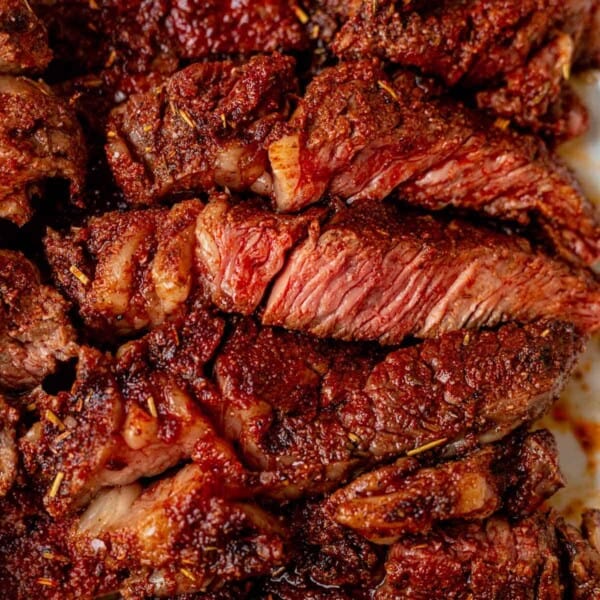
Leftover steak deserves a second chance at greatness. Not a sad, rubbery microwave version. The real thing, warm all the way through, with a crust that still has some life in it. You can get there. You just need the right method.
I’ve tested every approach: oven, air fryer, stovetop, microwave. Here’s what actually works, why it works, and exactly how to do it.
Check out our Grilled Cowboy Butter Steak and Steak Pasta for the steak recipes worth having leftovers from in the first place.
The One Thing You Should Never Do
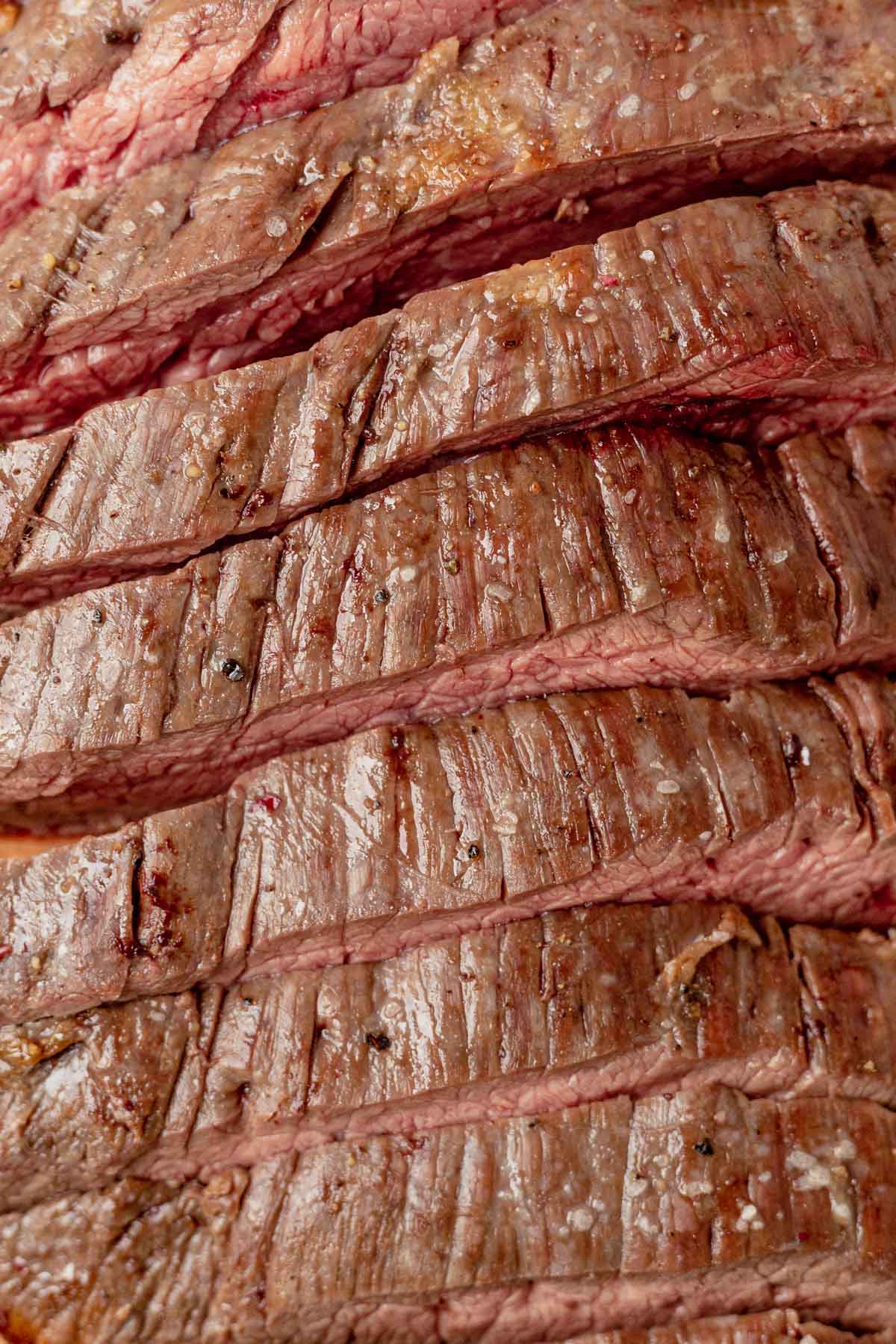
Never microwave steak. It’s fast and it completely destroys the texture. The microwave heats unevenly and causes the proteins to tighten, which turns even a great piece of steak tough and dry in under two minutes. The microwave pushed your medium-rare into well-done before you even heard the beep. Don’t do it.
Best Tips for Leftover Steak
We can’t sugar coat this: the first time you eat that hot and juicy steak will be the best that it will taste. Cooking steaks and eating them fresh off the grill or stovetop is the best way to enjoy a good steak.
However, while we never set out to eat steak and leave leftovers, sometimes, it happens.
If you have leftover steak, it is perfectly safe to reheat it, as long as it’s cooked properly the first time and stored correctly. According to the USDA, a raw steak cooked the first time should reach an internal temperature of 145 degrees before consumption.
We know that internal temperature may be a little high for some of our users’ preferences so we have this guide that details the best temperatures for grilling steak to ensure your steak is safe to consume.
To store steak, be sure to use an airtight container or a zip-top plastic bag with the air expressed out of it. Steak is a perishable food so use your leftover steak quickly.
Even if stored properly in your refrigerator, it is only good for 3-4 days.
Reheating Leftover Steak
When you have leftover steak that you want to reheat, there are a few important things to have:
- Patience: Reheating steak requires a little bit of patience. Most methods for reheated steak work best when the steak is room temperature. While you can reheat steak straight from the refrigerator, the best results will occur when the steak is closer to room temperature.
- Diligence: All methods require proper timing and paying attention. To ensure your steak doesn’t turn in to a tough, rubbery, overly chewy slab of meat, make sure that you don’t rush the process of reheating your steak.
- Average expectations: Reheated steak is still delicious but steak the second time is never as good as the first. Don’t expect your steak to taste as great as it did when you first ate it!
The Oven Method – The Best Way
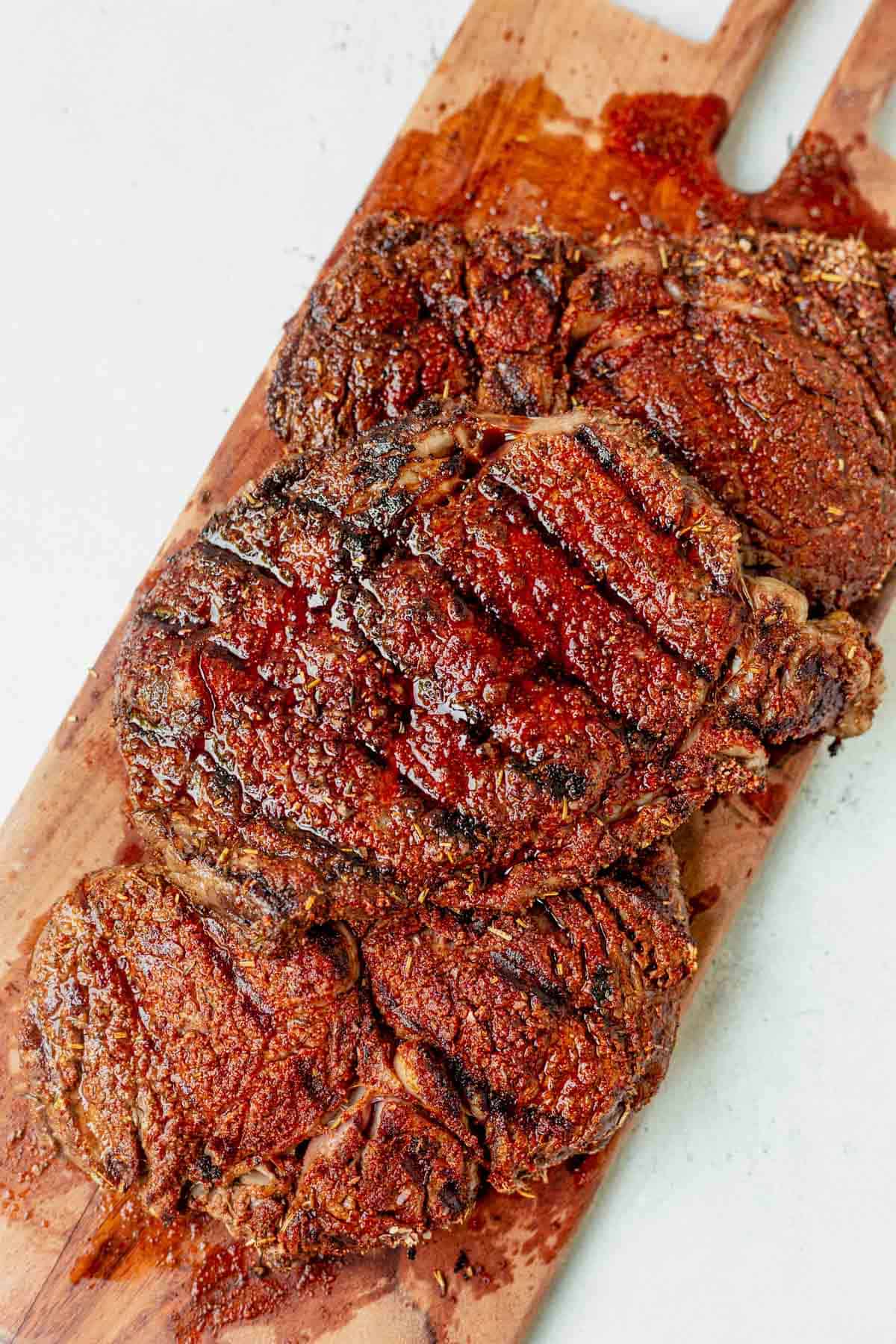
Reheating your leftover steak in the oven is going to be not only the best method, but the preferred method, out of all of the reheating process methods. It will be the most time-consuming but is an easy way to get your steak ready to use for leftovers!
The Best Ways to Reheat Steak
Method 1: Low Oven + Cast-Iron Sear (Best for Thick Cuts)
This is the best method for anything over an inch thick: ribeye, NY strip, filet. Most effort, best result.
Pull the steak from the fridge 30 minutes before reheating. Room temperature reheating is faster and more even.
Preheat your oven to 250°F. Place the steak on a wire rack set over a baking sheet.
Heat until the internal temperature reads 110°F for medium-rare, about 20-30 minutes depending on thickness.
Heat a cast-iron skillet with a high-smoke-point oil over high heat until smoking. Sear the steak for 60-90 seconds per side to revive the crust.
Rest five minutes and eat immediately. You’ll forget it was a leftover.
Success tip: Use a meat thermometer. Pull at 110°F before the sear. The sear will bring it up to your target doneness.
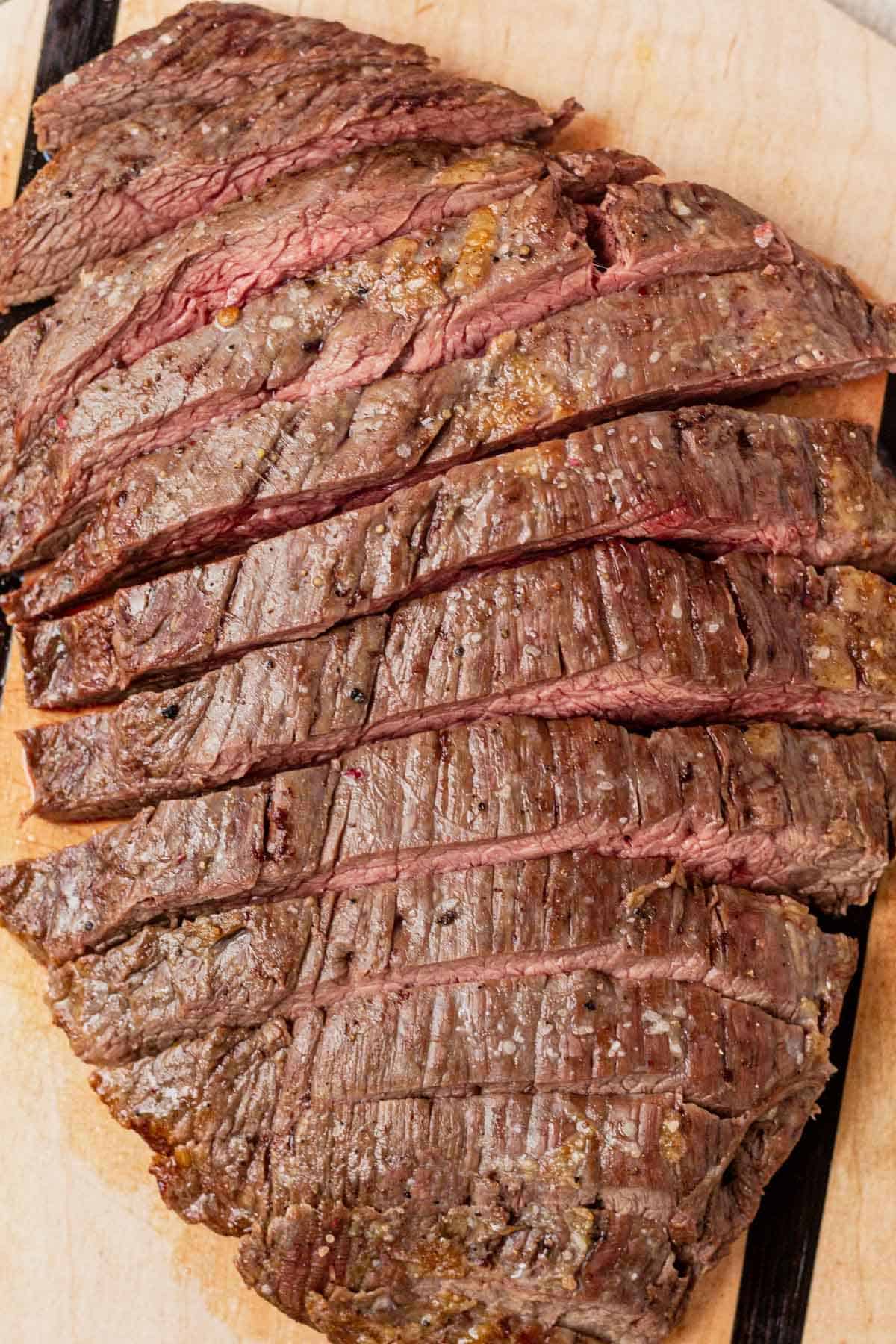
Method 2: Air Fryer (Best for Quick Reheating)
The air fryer is the move for thinner steaks or nights when you need dinner fast.
Pull steak from the fridge 15 minutes before reheating. Set the air fryer to 350°F. Cook for three to five minutes, flipping halfway through. Check internal temperature and pull when it hits your target.
Success tip: Start checking at three minutes. Thinner cuts go fast.
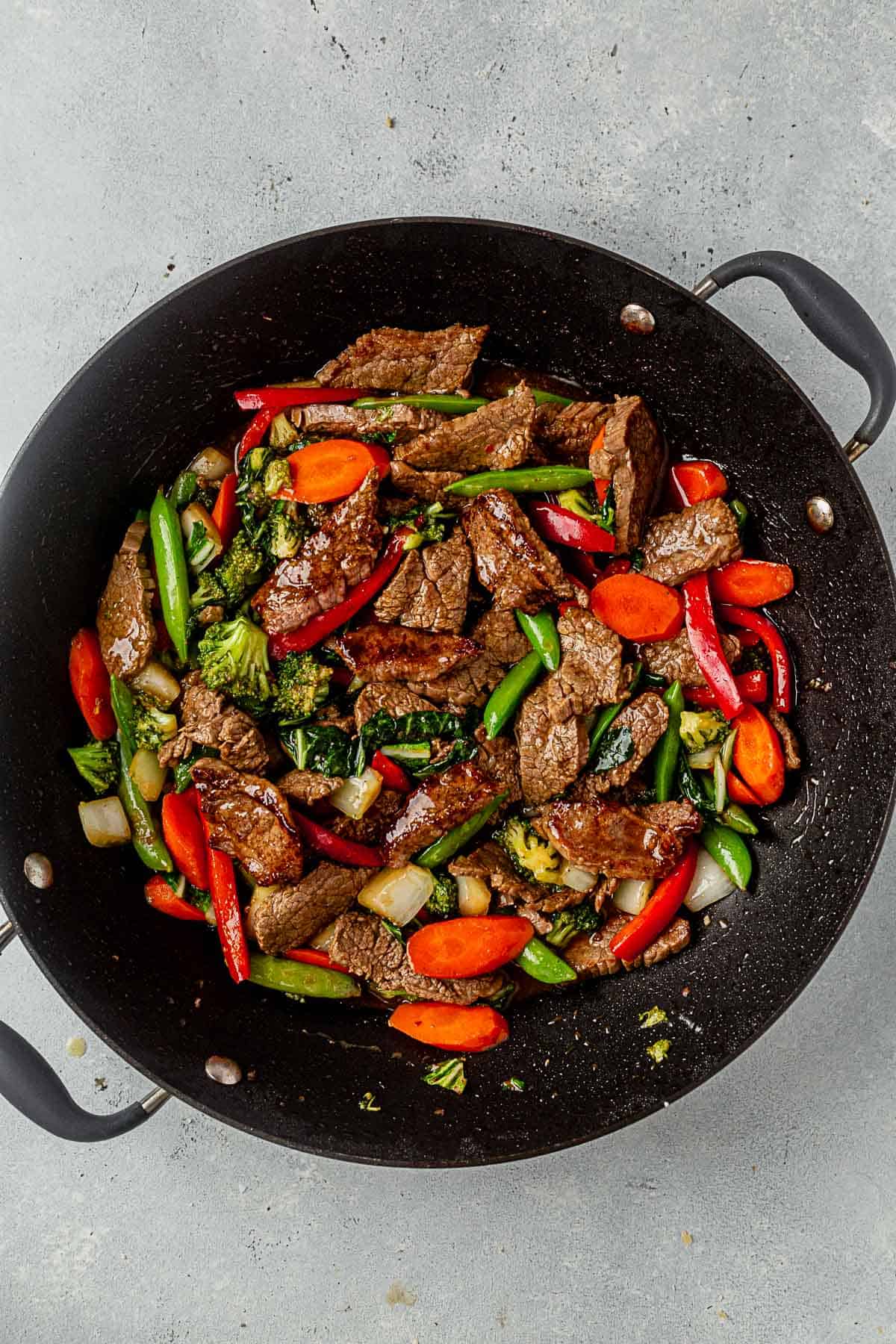
Method 3: Stovetop with Butter (Best for Sliced Steak)
Perfect for skirt steak, flank steak, or anything you’ve already sliced. The move for taco night with leftovers.
Heat a skillet over medium heat with a splash of beef broth or a pat of butter. Add the steak slices and heat for one to two minutes, flipping frequently. Pull as soon as the steak is warmed through.
Success tip: The splash of broth or butter adds moisture back and keeps the steak from drying out. It also makes the slices taste like you made a pan sauce.
Temperature Guide
| Doneness | Target Internal Temp |
|---|---|
| Rare | 120-125°F |
| Medium-Rare | 130-135°F |
| Medium | 140-145°F |
| Medium-Well | 150-155°F |
| Well Done | 160°F+ |
When using the oven method, pull the steak at about 10-15°F below your target. The cast-iron sear will bring it up to where you want it.
What Not to Do
Microwave: Uneven heating, tough texture. Never.
High heat from cold: Going straight from fridge to a screaming-hot pan pushes the outside past your target doneness before the inside warms up. Let it rest at room temp first.
Reheating twice: Reheat only what you’re going to eat. Reheating the same steak a second time is where it gets really tough.
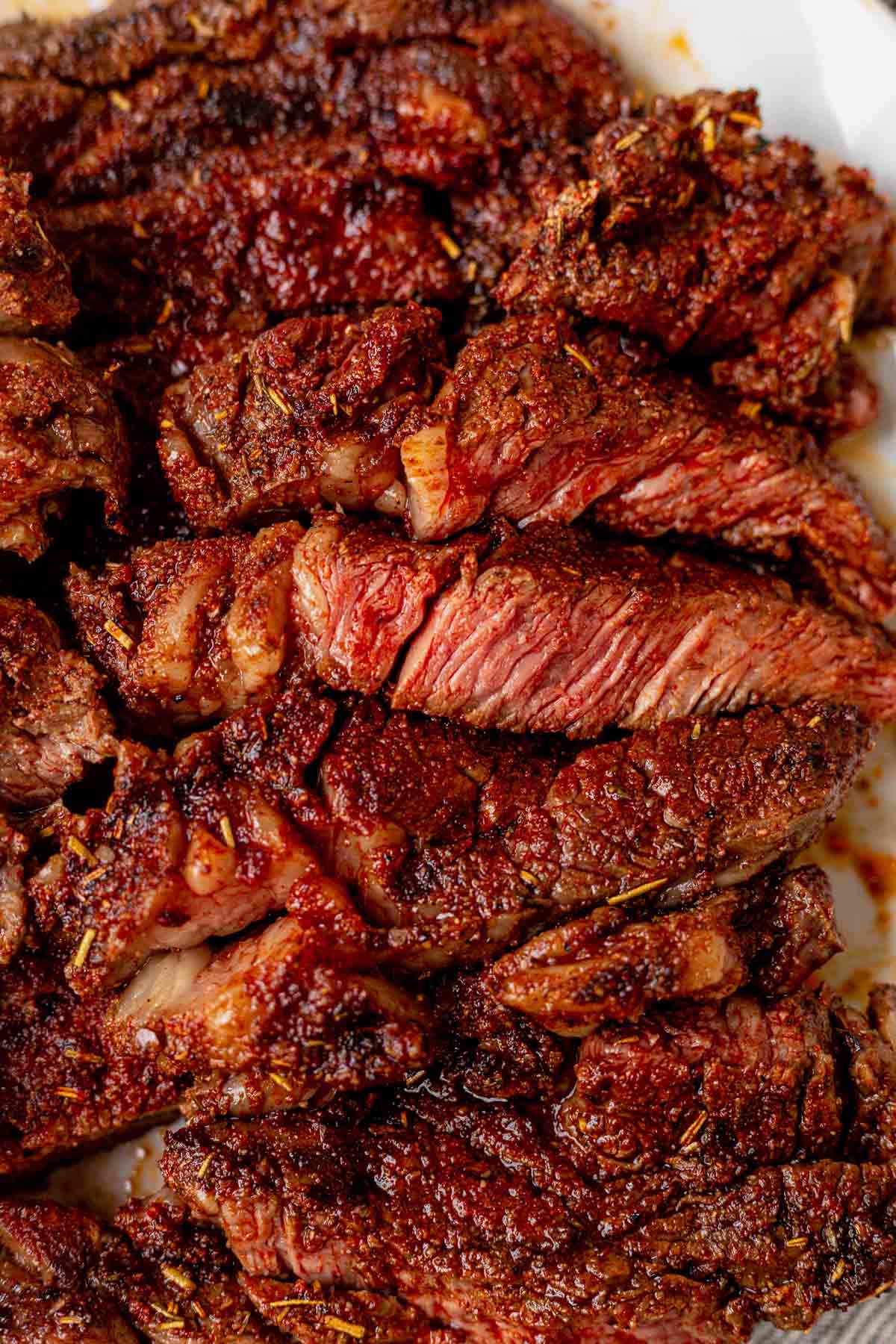
What to Do with Leftover Steak
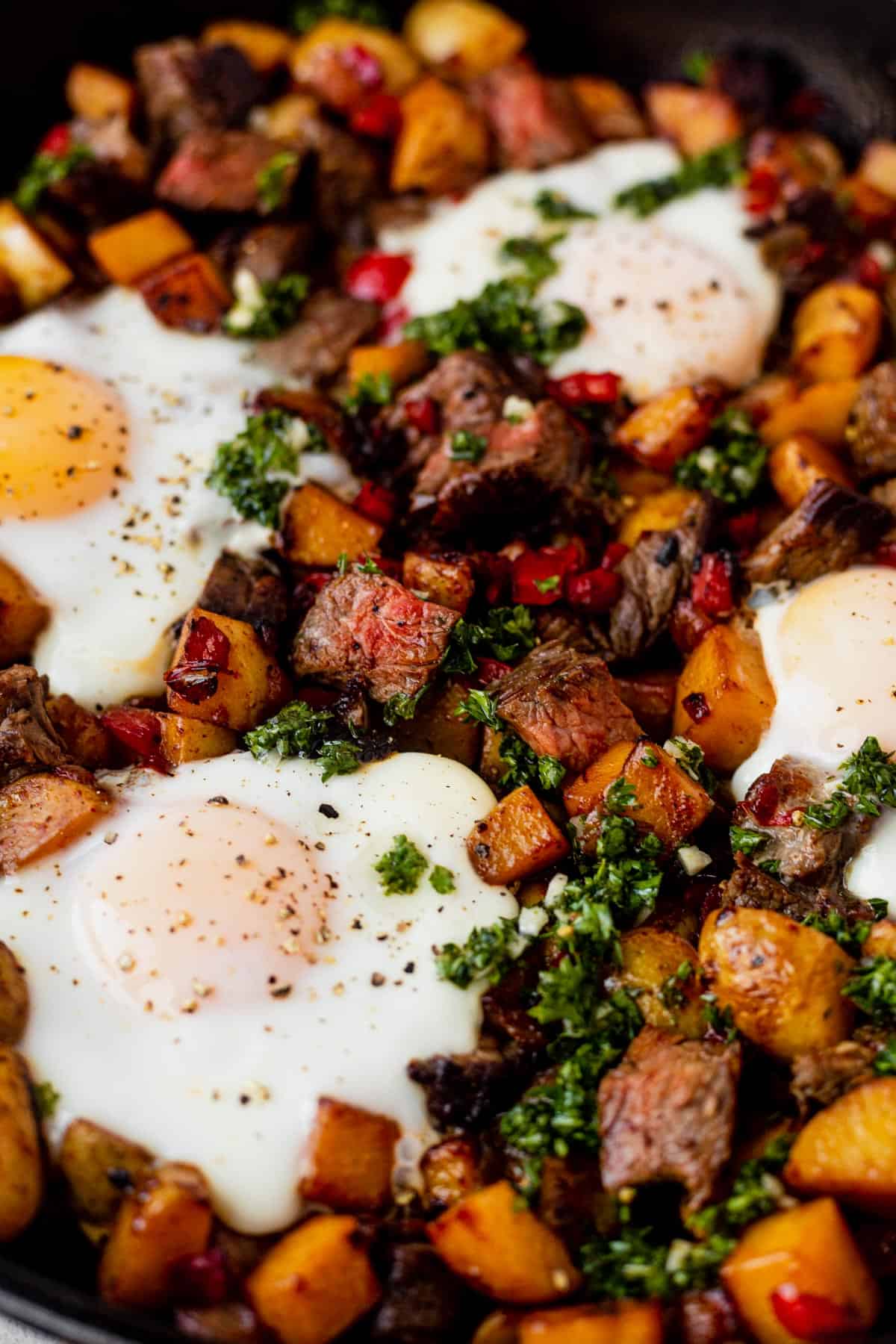
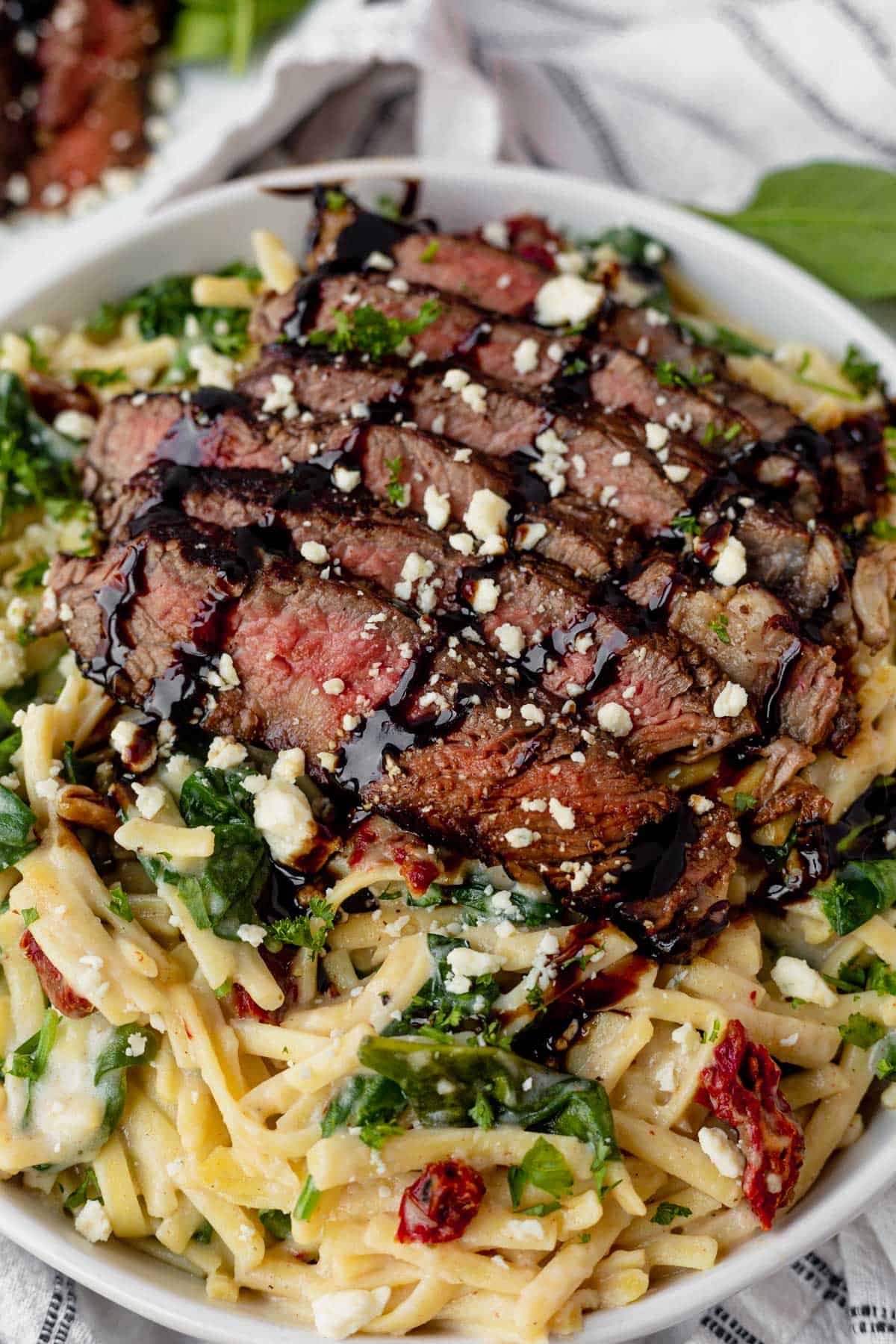
If you’d rather use the leftover steak in a new dish, it’s great thinly sliced over pasta, in tacos, or cold on a salad. Check out our Steak Pasta or serve it alongside our Grilled Cowboy Butter Steak for a full steak dinner.
Storing Leftover Steak
Store leftover steak in an airtight container in the fridge for up to four days. Let it cool completely before sealing. Condensation builds up in a hot, sealed container and creates steam that can soften the crust.
Recipe FAQs
Use the low-oven method at 250°F and pull it when the internal temp hits 110°F. Then do a quick cast-iron sear to get the crust back. That combination keeps the inside from drying out while reviving the exterior.
You can, but you’ll end up with tough, rubbery steak. The microwave heats unevenly and tightens the proteins fast. Use the oven or air fryer instead.
Up to four days in an airtight container. Let it cool completely before sealing to avoid condensation softening the crust.
Use the low-oven method (250°F until 110°F internal) followed by a cast-iron sear. Ribeye has enough fat marbling to stay juicy through a low reheat.
Set it to 350°F and plan three to five minutes, flipping once halfway. Thinner cuts need less time, so start checking at three minutes.
Yes. The stovetop method with butter or broth is best for sliced steak. It’s faster and the extra moisture keeps the slices from drying out.
Delicious Steak Recipes
- Steak and potato breakfast hash
- Sheet pan steak fajitas
- Creamy balsamic steak pasta
- Flank steak stir fry
- Homemade steak seasoning
More Steak Cooking Tips
- How to grill ribeye
- Best temperature to grill steak
- How to cut flank steak
- Internal temperature of beef
- Best substitutes for flank steak
This post may contain affiliate links. Read our disclosure policy.